Budapest vs Prague: Which City is Better?
Budapest and Prague are two iconic European cities, but which one is the best?
While there are many similarities between the two, such as beautiful rivers, famous bridges, castles steeped in centuries of history and eye-catching architecture, there’s also so much that sets them apart.
In this guide, we explore the main differences between Budapest and Prague when it comes to enjoying a memorable holiday.
Here is a quick overview:
Budapest
- Top attractions: Hungarian Parliament Building, Fisherman’s Bastion, Széchenyi Thermal Baths and Buda Castle
- Cost: Generally cheaper and better suited to budget-conscious travellers
- Local cuisine: Goulash, lángos and paprika-heavy dishes
- Best for: Thermal baths, ruin bars and nightlife
- Best time to visit: May to June or September to October, with December also popular for Christmas markets
Prague
- Top attractions: Prague Castle, Charles Bridge, Old Town Square and the Astronomical Clock
- Cost: Slightly more expensive than Budapest, but still affordable compared with many Western European cities
- Local cuisine: Svíčková, goulash, trdelník and hearty pork dishes
- Best for: Architecture, a walkable Old Town and beer culture
- Best time to visit: May to June or September to October, with December also popular for Christmas markets
Can’t separate the two? You don’t have to! When you’re thinking about Budapest vs Prague for your next European adventure, why miss out on one or the other? We’ve got multi-centre city breaks that take in both of these captivating cities.
Thermal spas vs medieval landmarks
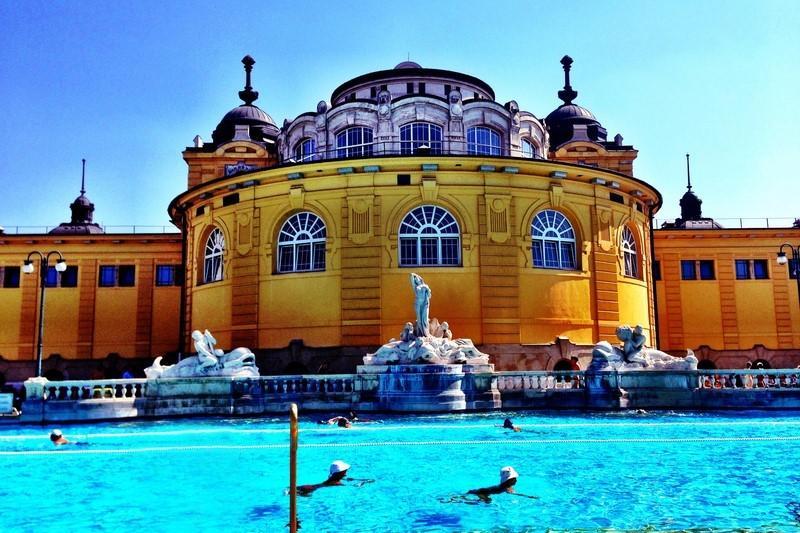
Sometimes called the ‘City of Spas’, Budapest is renowned for its thermal baths, with over 100 thermal springs and several baths throughout the city. If you’ve never enjoyed a thermal bath experience before, there’s no better place to do it.
The largest is Széchenyi Thermal Baths, with 15 indoor pools and three outdoor pools. It’s been a Budapest mainstay since 1913 and is popular with locals and tourists alike. If you’d prefer a quieter, more relaxing experience, visit the more popular baths early in the morning or seek out a smaller venue, such as Lukács Baths.
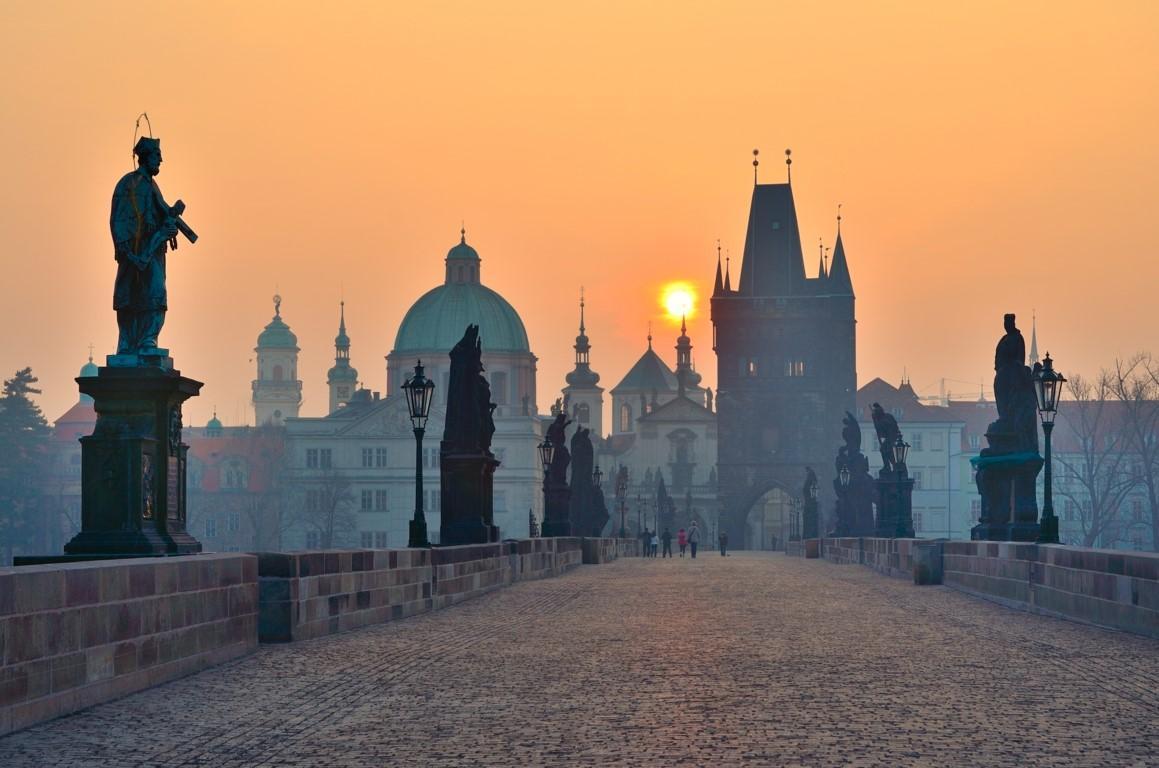
Prague, on the other hand, is best known for its charming medieval historic centre, with narrow cobblestone alleys, Gothic spires and landmarks such as Charles Bridge and Prague Castle. At times, it feels like a storybook and is a perfect choice for history buffs and those who like to wander.
To avoid heavy crowds in Prague’s historic centre, explore in the morning or late afternoon, as its streets are compact and hugely popular.
Which is the best for sightseeing?
While both cities offer a stunning variety of sights, Prague’s main attractions are packed more closely together. This is ideal if you’re on a short city break and want to see as much as possible on foot during your stay. In Budapest, you might have to do a bit more travelling around to cover all the places you’d like to visit.
Prague also offers a wider range of architectural styles, so if you love old buildings and history, you’ll find more of what you’re looking for in the Czech Republic’s capital than in Hungary’s.
However, both cities have plenty to offer.
Top Prague attractions include:
- Prague Castle
- Charles Bridge
- Old Town Square
- Astronomical Clock
- St. Vitus Cathedral
- Josefov, the Jewish Quarter
Top Budapest attractions include:
- Hungarian Parliament Building
- Buda Castle
- Fisherman’s Bastion
- Széchenyi Thermal Bath
- St. Stephen’s Basilica
- Széchenyi Chain Bridge
Which city is cheaper?
Budapest has about 50% more people than Prague but fewer than half as many hotels. Because Budapest attracts fewer tourists each year, accommodation tends to be cheaper than in Prague.
The most popular parts of Prague are also typically more expensive for eating out and shopping than you’ll find in Budapest. If you’re happy to venture a bit further out from the centre, you can often pay less without compromising on quality.
Which has the best nightlife?
Both cities know how to throw a party, but they offer different experiences.
Budapest is famous for its ruin bars, which are quirky, atmospheric venues set inside old buildings. It also has a strong underground and electronic music scene.
Prague leans more heavily into its pub culture and beer halls, with the Old Town packed with lively venues.
Battle of the breweries
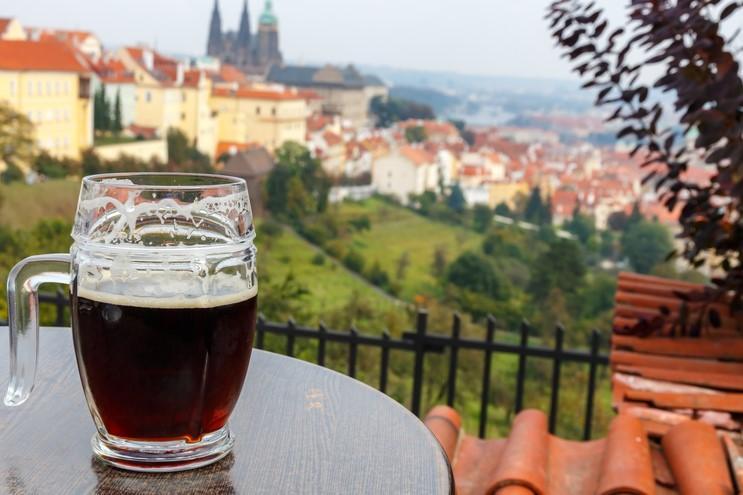
Beer is widely available in both cities, but Prague’s brewing history goes back over 1,000 years to the Břevnov Monastery in 993. In contrast, commercial brewing didn’t really take off in Budapest until the 1840s.
Prague’s long-standing beer culture makes it a popular destination for group holidays, where visitors can sample a variety of traditional local brews in the city’s Old Town pubs.
While Budapest may not have Prague’s brewing history, it’s increasingly making a name for itself in craft brewing circles.
Where can you find the best cuisine?
Cuisine in both cities shares similarities, with dishes such as beef goulash and dumplings firm favourites.
You can also find plenty of international dishes in both Prague and Budapest, although in our view Budapest offers a broader range to choose from, as well as more Michelin-starred restaurants.
The street food differs too. Sausage served with bread and mustard is a staple in Prague, while Budapest is renowned for warming soups and stews, which are perfect when the weather gets colder.
Which is the most romantic?
Prague often comes up when people discuss some of Europe’s prettiest cities. With so many beautiful buildings and cobbled streets packed closely together, it has an unmistakably romantic feel.
Prague is particularly striking in winter after a light snowfall. If you’re visiting during the warmer months, both cities also offer relaxing river cruises, including dinner cruise options.
What time of year should you go?
The climate doesn’t differ hugely between Budapest and Prague. Both generally have warm summers and cold winters.
However, because Prague attracts more tourists and many of its sights are concentrated in a relatively small area, you may want to avoid visiting during the busiest months of July and August.
Budapest’s popularity as a holiday destination is also growing, but because its attractions are spread across a wider area, it may not always feel quite as crowded.
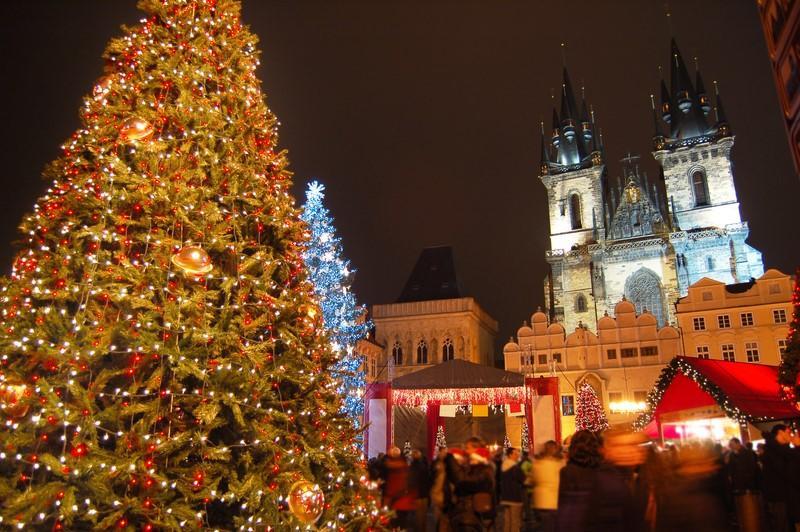
Both cities host Christmas markets, making December another popular time for city breaks from the UK.
If you’d prefer warmer weather with slightly fewer crowds, we’d recommend visiting in:
- May
- June
- September
- October
Budapest vs Prague: The final verdict
We definitely can’t choose an overall favourite, because both cities have so much going for them. We love them both equally!
However, having read about the highlights of each city in this guide, you may feel like one is a little bit more up your street. Need more inspiration? Check out our blog on the best photography spots in Prague and Budapest.
You can also find out more about our once-in-a-lifetime holidays to Budapest and Prague here.
FAQs
Which city is cheaper, Prague or Budapest?
Budapest tends to be cheaper than Prague, particularly for accommodation, dining and entry fees to attractions. While both offer excellent value compared with many Western European capitals, your budget will usually stretch further in Budapest.
Do I need more time in Prague or Budapest?
For both cities, you should aim to spend at least three days in each.
Budapest is slightly larger and has more distinct neighbourhoods to explore, so you may feel like you need a little more time to do the city justice.
Which city is better to visit, Prague, Vienna, or Budapest?
There’s no single winner: Prague is best for fairy-tale architecture and historic charm, Vienna for grand imperial sights and museums, while Budapest offers thermal baths and vibrant nightlife.
Struggling to choose? You can visit all three with Viva Holidays.